
Dicky Stone
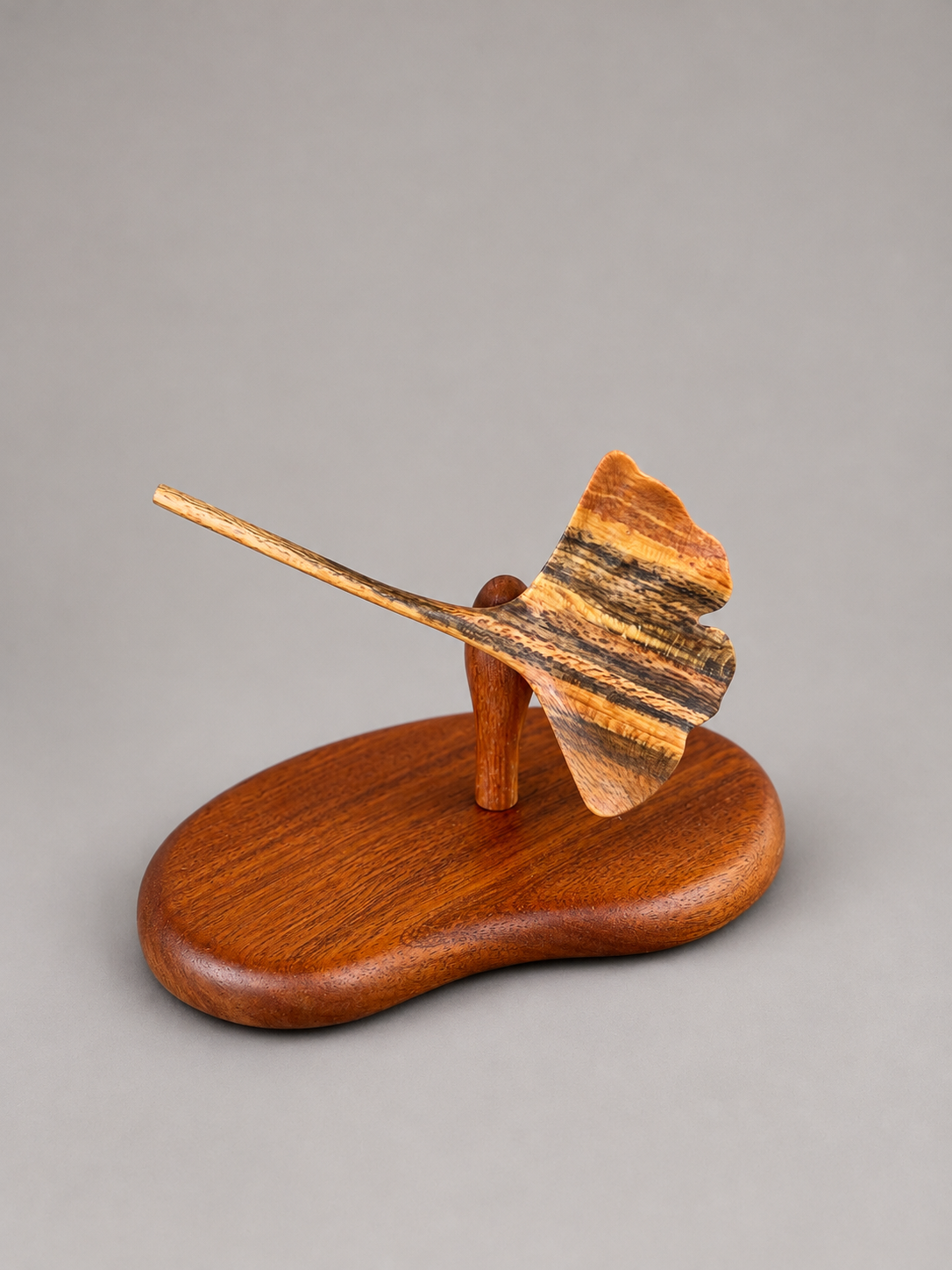
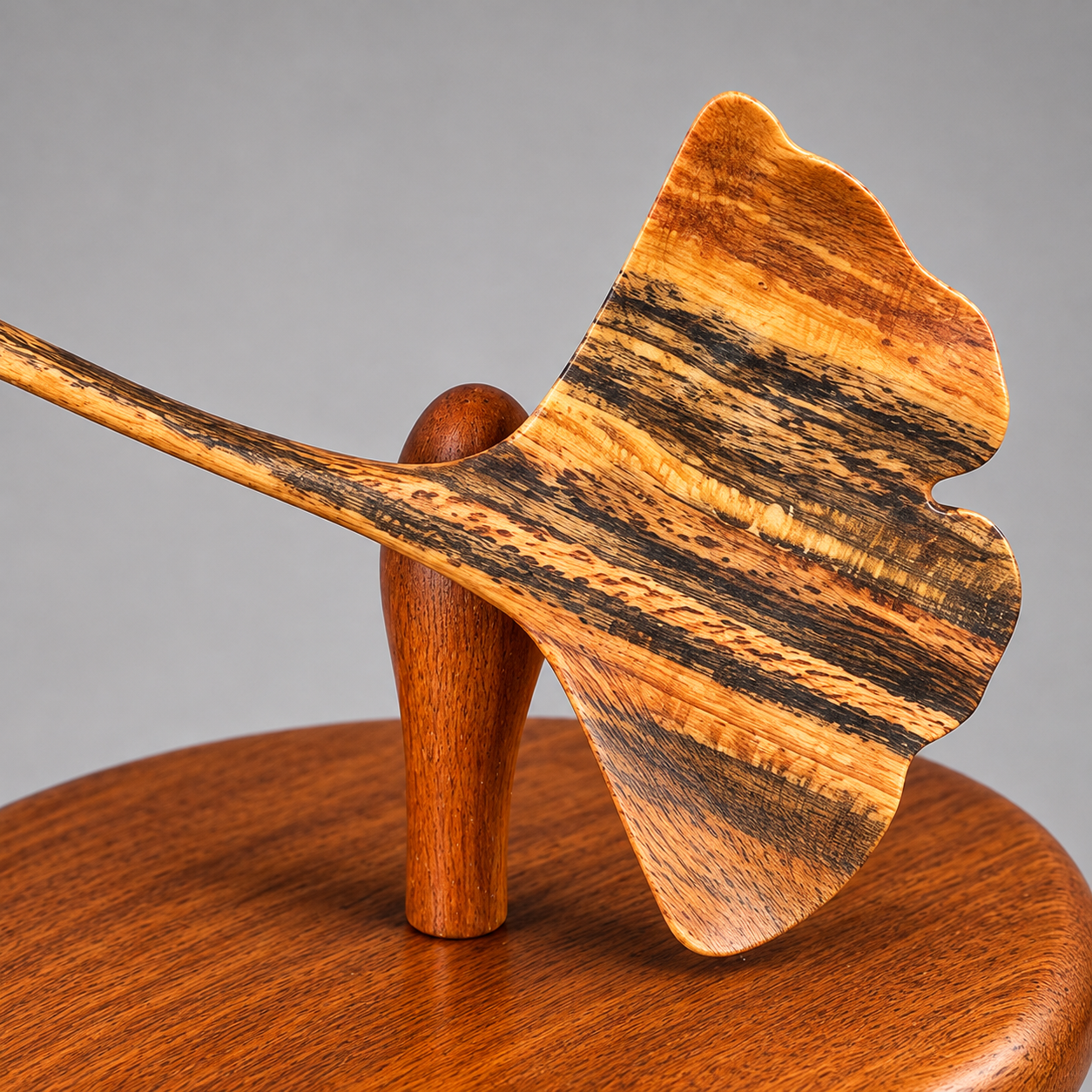
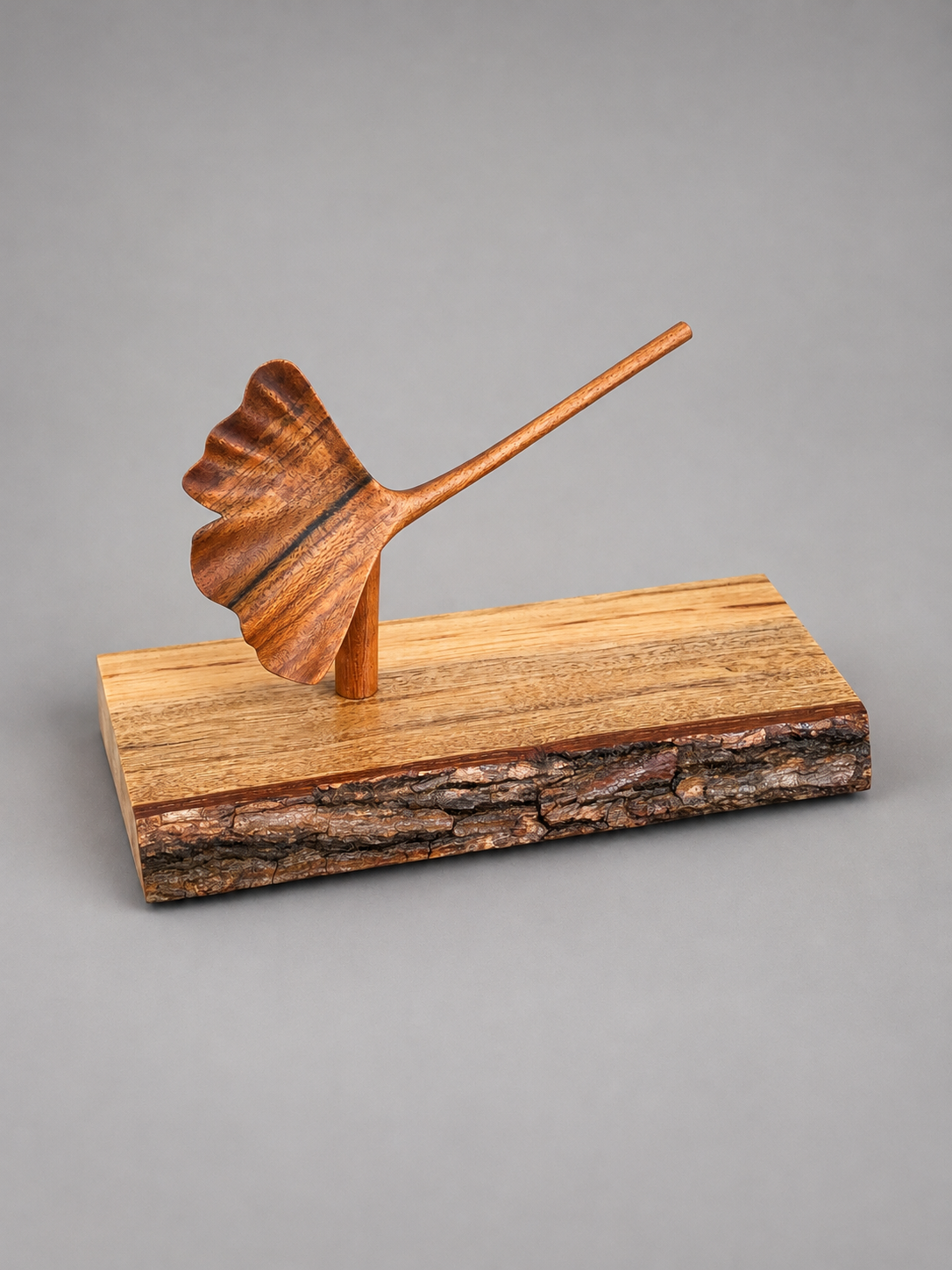
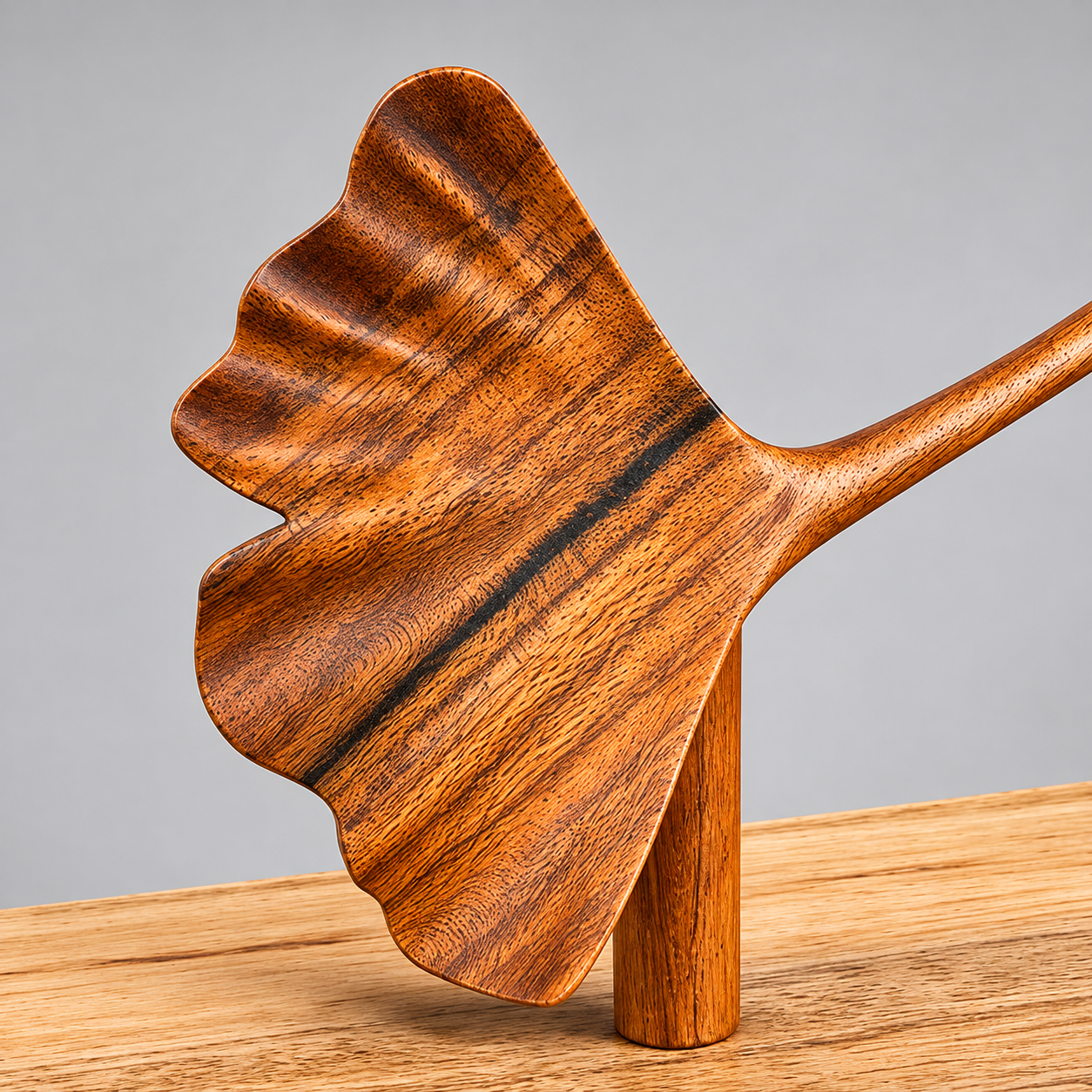
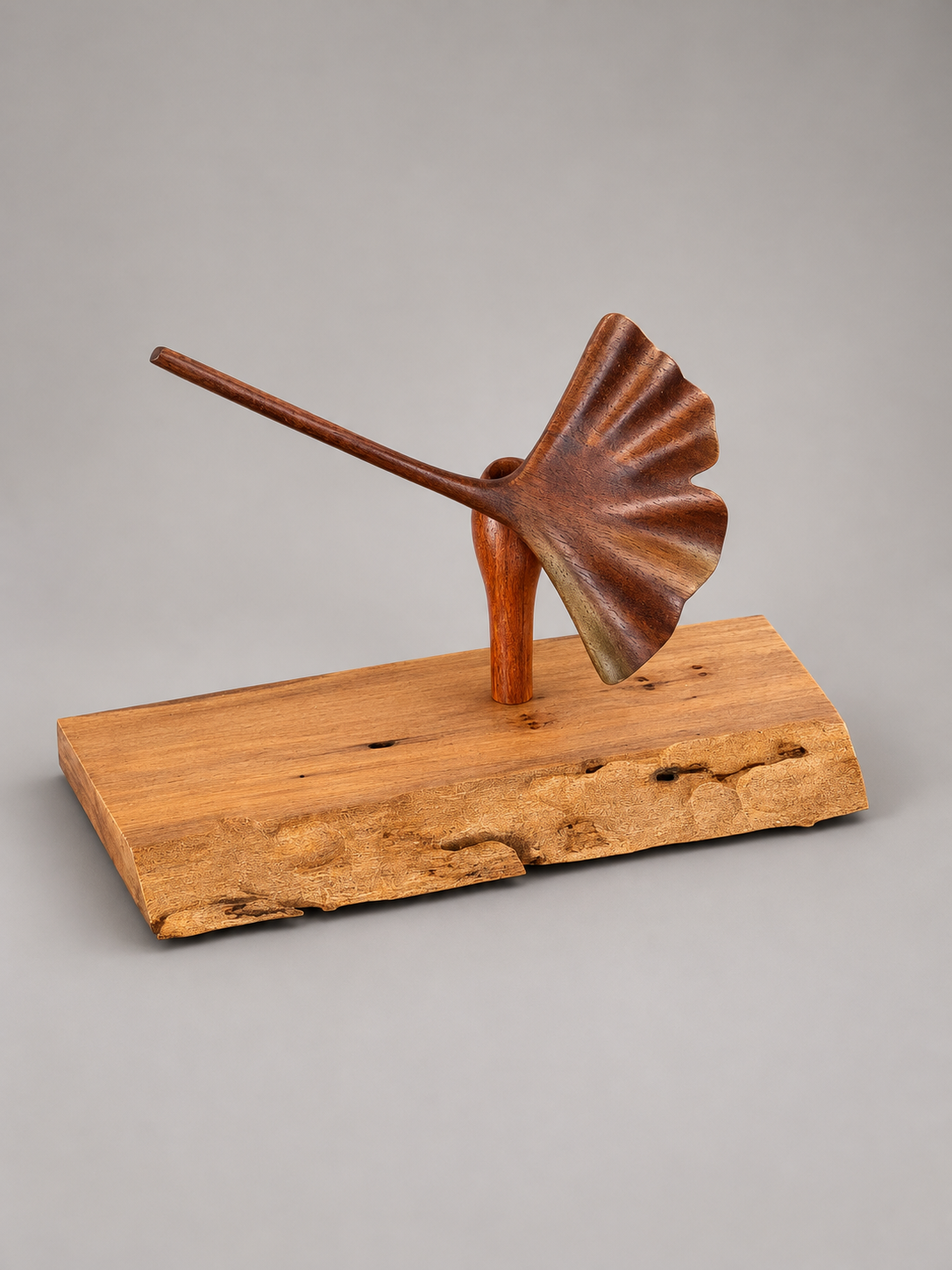
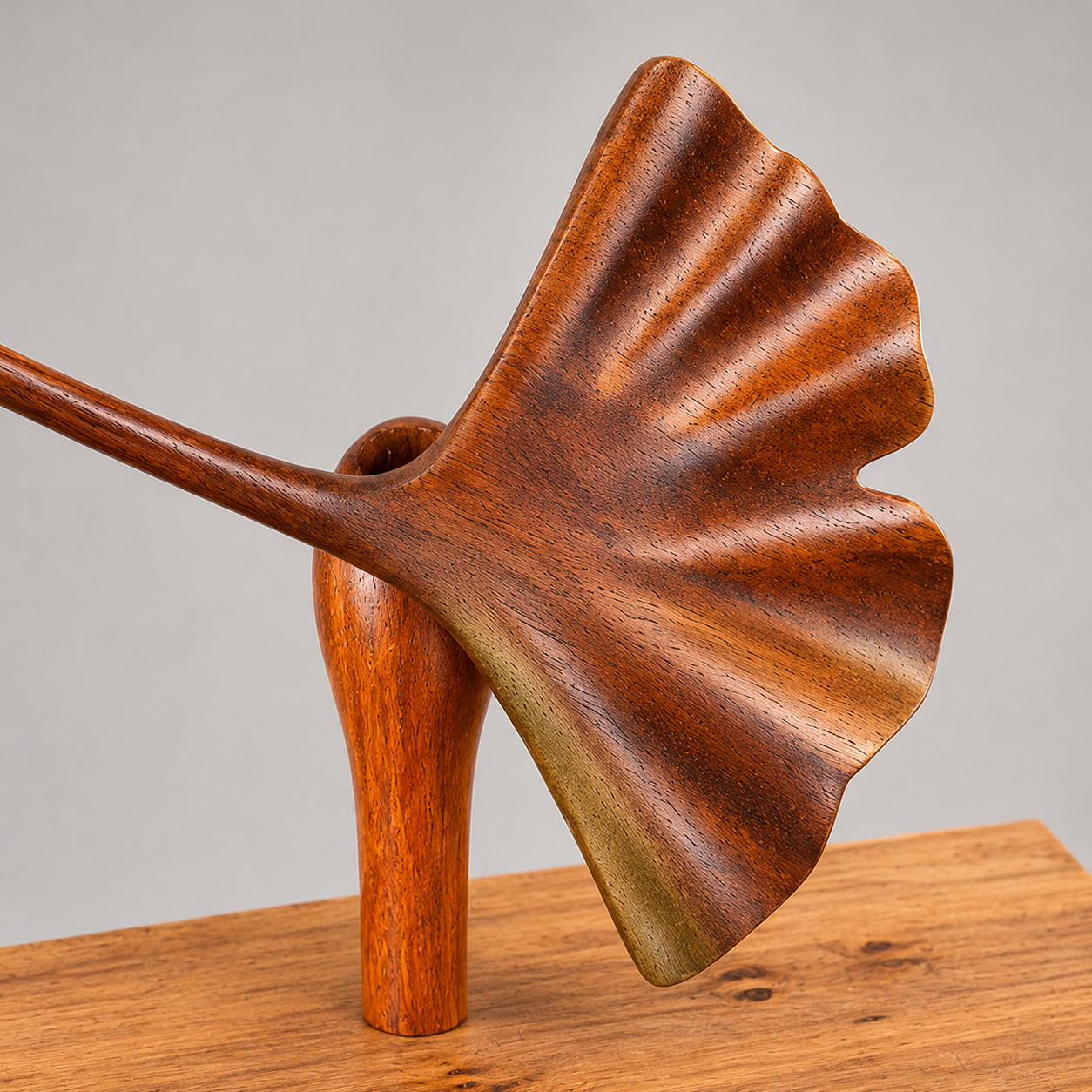
Dicky Stone transforms locally sourced wood into timeless sculptures, honoring the life, history, and spirit of each tree through his deep reverence for nature and craftsmanship


Meet Dicky
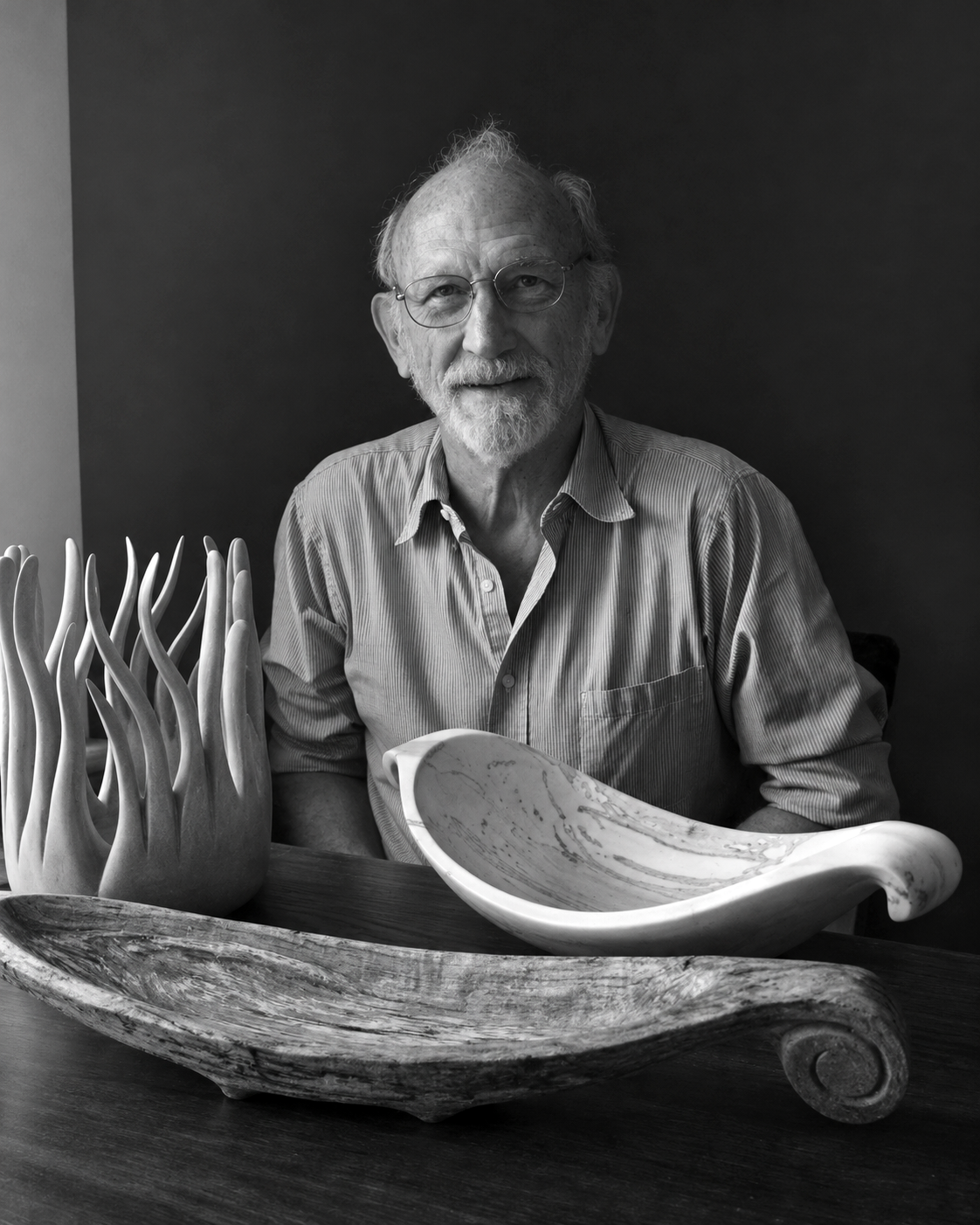
Throughout much of his adult life, trees and wood have played an important role in his work. His paternal grandfather introduced him to woodworking at the age of ten, teaching him furniture repair and refinishing. Although he did not particularly enjoy it at the time, in retrospect, it marked the beginning of a lifelong journey of learning, exploring, working with, and loving wood.
All the wood he uses is indigenous to North America and, in most cases, locally sourced. He never uses endangered tropical hardwoods, nor does he intentionally cut down trees solely for their wood. Much of his material comes from friends. Because of the local nature of his raw materials, he knows something of the history of almost every piece of wood he works with. In most cases, he knows where the tree grew, the people connected to it, something of its life, often far too much about its death, and how old it was when it died.
For him, the process of working with these materials and creating something from them is deeply spiritual. When he successfully transforms a piece of wood into something new, the tree lives on in another form, hopefully one of beauty. The story of the wood, the process of working with it, and the finished creation are all equally important to him.
His artistic influences are varied and deeply personal. Buckminster Fuller inspired him through his innovative designs, particularly as the first house he built was a geodesic dome. George Nakashima and Sam Maloof influenced him through their pioneering furniture designs, while Betty Scarpino was the first woodturner whose work truly captivated him. Richard Raffan's books became an invaluable source of knowledge, which he studied for months before daring to pick up a turning tool. Finally, William Hunter and David Ellsworth remain significant influences, artists whose mastery and craftsmanship he deeply admires.